Pietro Refuses to Camp with His Father
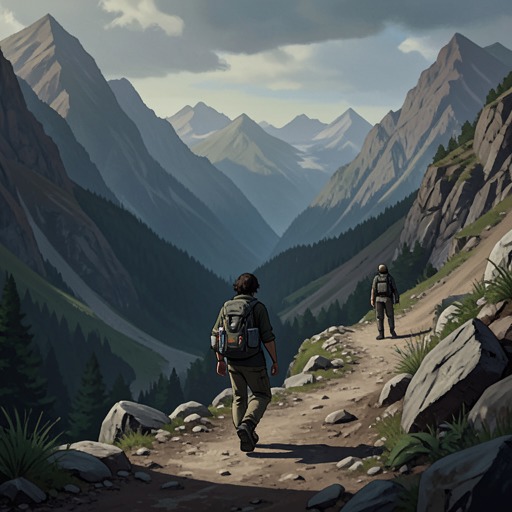
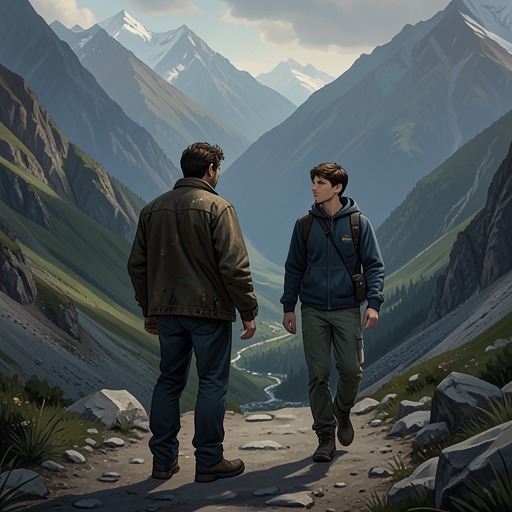
The Eight Mountains: A NovelPietro Refuses to Camp with His Father is the moment when Pietro makes his growing alienation from Giovanni Guasti unmistakable. At sixteen, he rejects not only a camping trip but also the intimacy and inherited mountain routine the trip represents; Giovanni’s hurt and Pietro’s relief expose how far apart father and son have become.
The Planned Outing and Its Unspoken Purpose
Giovanni proposed a camping trip after showing little previous interest in camping. He had acquired an old, heavy tent from an army-surplus stall and imagined setting it up beside a small lake, fishing for trout without the forest rangers discovering them, roasting the catch over a fire, and perhaps staying up late drinking and singing. The outing promised a scene of easy companionship, but Pietro suspected that his father had another purpose: he thought the plan might be an attempt to make him speak, since he had not protested against anything.
Pietro had been watching his family’s routines with increasing distance. He saw Giovanni’s emotional and authoritarian outbursts, his mother’s efforts to contain them, and the familiar roles they repeatedly resumed. Their arguments seemed to Pietro less like genuine disputes than performances with predictable endings, and he felt caught in the same pattern. His desire to escape had grown urgent, even though he had never managed to voice it. The proposed camping trip gave that unspoken strain a concrete setting.
The Refusal
Before they could leave, Giovanni spread the equipment across the kitchen and divided it between their packs. The tent poles and pegs alone weighed about ten kilos; sleeping bags, anoraks, sweaters, and food added to the load. As Giovanni struggled to compress the equipment into a rucksack in the sweltering afternoon heat, Pietro felt the physical burden and recoiled from the imagined scene it served: the lake, fire, trout, starry sky, and closeness with his father.
Pietro first tried to stop the preparations, then made the refusal explicit: “I don’t want it. I’m not coming.” The words rejected the whole outing, not merely its equipment or exertion. By naming the tent, lake, and entire plan as something he did not want, Pietro broke the silence he had maintained within the family. The act was small in outward form, but it was the direct protest he had previously been unable to make.
Giovanni’s Response and Pietro’s Relief
Giovanni was deeply hurt. Pietro later judged the refusal to be a particularly hard blow, and wondered whether Giovanni’s lack of a father of his own had left him without experience of this kind of rejection and poorly prepared to receive it. Pietro also considered that his father might have asked more questions and used the moment to hear what his son had to say. Instead, Giovanni left the rucksacks, tent, and sleeping bags where they were and went out alone.
The separation brought Pietro immediate relief: he experienced his refusal as a liberation. That relief does not mean the two had resolved their conflict; the scene ends with Giovanni walking away rather than with a conversation. Its significance lies in the change of direction it begins. Pietro later described this as the first and hardest of a series of blows he would deliver in the valley, while also locating the beginning of his rebellion in the mountains, where so much that mattered to him had taken shape.
The Diverging Paths That Follow
After the refusal, Pietro was no longer bound to climb with Giovanni. While his father continued scaling summits, Pietro went the opposite way, looking for people his own age. He began spending afternoons among the benches of a tennis court and the tables of a valley cafe bar, listening to others and watching the girls despite having no money to order anything. He still looked up at the mountains from time to time, but his immediate search was for company beyond the family and its mountain routine.
Bruno’s circumstances provided a pointed contrast: he was working with his father as a builder, often high in the mountains constructing refuges and alpine pastures, and Pietro encountered him only occasionally in a valley cafe bar. The two young men were thus moving through different forms of separation and attachment to mountain life. Pietro’s refusal did not remove the mountains from his world; it marked his attempt to choose his own direction within it.